Tag: environment

  • On Vancouver’s new cup and bag bans, and associated fees
    On Vancouver’s new cup and bag bans, and associated fees

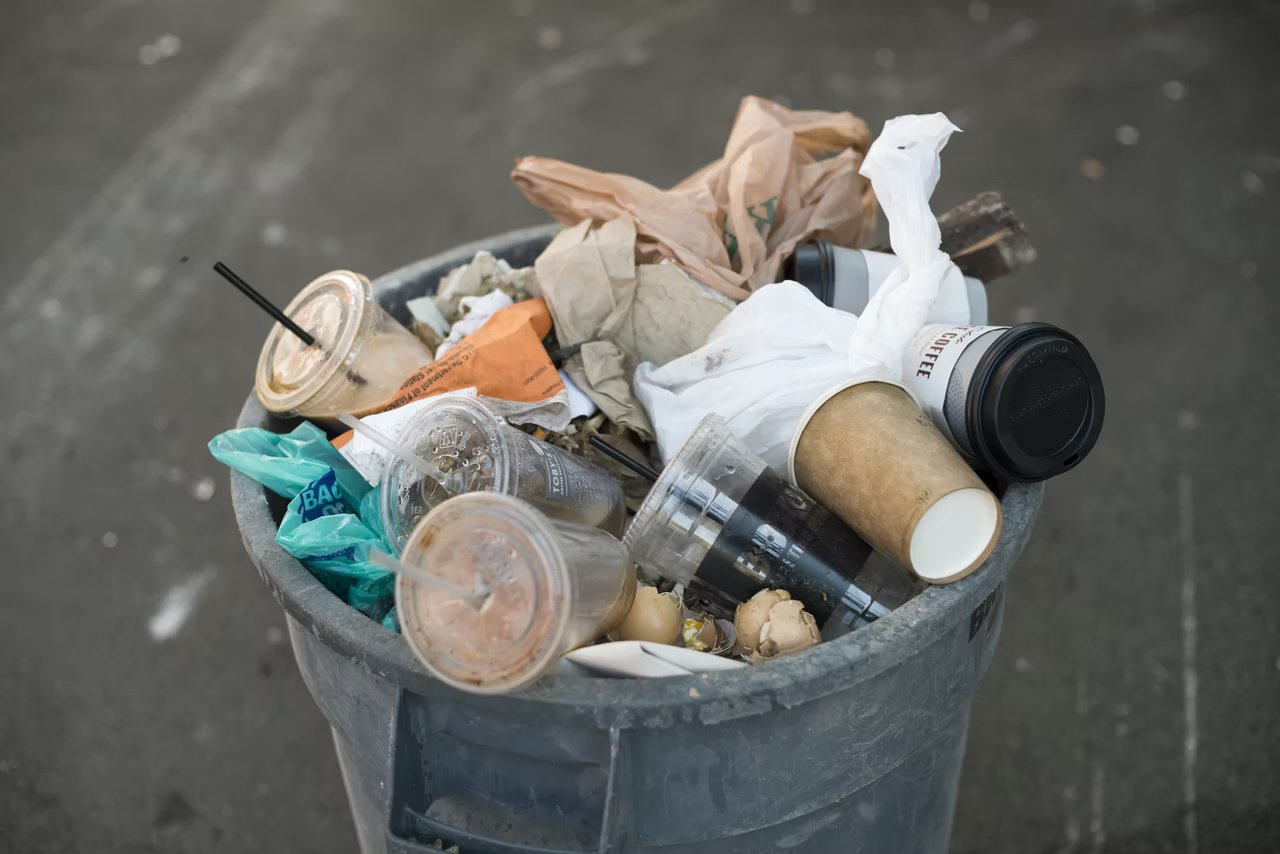
    January 1, 2022 saw the introduction of Vancouver’s new bylaws and fees designed to reduce the use and waste of single use items and very specifically plastic bags and disposable cups.
    Vancouver’s bag ban was originally proposed for 2021 but postponed; giving business/supply-chains well over a year to prepare. Our neighbours Richmond, Surrey, Victoria and Nanaimo have all introduced bans, joining Washington, California, and coastal communities worldwide.

    From France to China, and Australia to Africa, lightweight plastic bag bans have been introduced and for good reason – cheap disposable plastics are choking our oceans and breaking down into micro and nano particles that are ending up in literally everything, even body cells.

    https://oceanservice.noaa.gov/hazards/marinedebris/plastics-in-the-ocean.html

    Of course, not every plastic bag is ocean-destined to suffocate a seaturtle, but the dirty truth is most bags can only be landfilled or incinerated. Inconsistent standards and ingredients mean that recyclable or compostable bags are pretty much a fantasy.

    Vancouver may be a bit late to the global plastic bag ban, but we will be one of the first ahead of Canada’s NATIONAL plastics and single use reduction strategy coming this year – among other things, targeting the est. 15 billion plastic bags used every year in our country.

    Additional fees that have been introduced in Vancouver’s new bylaws recognize the impacts and alternatives to plastic/plastic-lined disposable cups and (carbon intensive) paper bags. The fees are paid to the retailer, not the city (or planet) – the hope is to change consumer behaviour.

  • The Buck Stops with Trudeau

    The Buck Stops with Trudeau

    The buck stops with Trudeau.
    Shipping 900,000 barrels a day of tar thinned with solvent through the Salish Sea is NOT the kind of #RealChange Canadians voted for.

    I’m appalled that our government would backstop the laziest, cheapest and riskiest means of appeasing the fossil fuel industry.
    Sell out.
    Sell out of our coast, of our future.
    Sell out of the hopes and ideals of so many people who actually voted for some hackneyed disingenuous notion of #RealChange.

    Justin Trudeau, you don’t get to front about your BC roots anymore. You have betrayed this province, this Coast, the First Nations. You have betrayed science and evidence based decision making.

  • Conservation, Wildlife, and Animal Welfare

    Conservation, Wildlife, and Animal Welfare

    As Greens, how we treat our planet and its inhabitants reflect our fundamental values. 
    As a Green MLA, I will fight to push those values into provincial decisions and lend my voice to those who have none.

    An Endangered Species Act for B.C.
    Currently, our conservation efforts here in B.C. are woefully inadequate, and reflect a last-century mindset towards resource extraction and the environment. Our current provincial Wildlife Act is too weak — B.C. has the greatest biodiversity in the country, yet we have no stand-alone law to protect endangered wildlife. Along with Alberta, B.C. stands alone as the only province without an Endangered Species Act. Limited federal protection applies to only 210 of the approximately 1900 species of flora and fauna at risk in our province. As MLA I will join biologists, ecologists, and environmentalists in calling for an Endangered Species Act for B.C.

    In our province, interference from industry has weakened protection for species at risk, while habitat destruction and irresponsible resource extraction has led us to the point that we are struggling to protect critically threatened populations like the Southern Selkirk caribou herd.

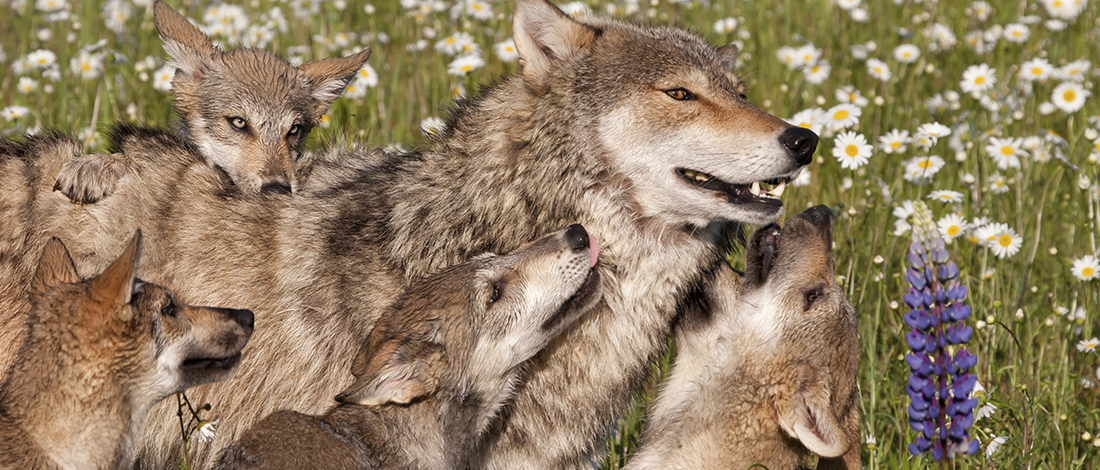
    The price for our mismanagement of the South Selkirk? Wolf packs in the area will be slaughtered by aerial gunning, neck snares and poison. The caribou survival is far from guaranteed though, as their herbivorous diet destroyed by logging won’t recover anytime soon. A failure on all counts, that deserves a more proactive method of wildlife management and environmental stewardship.

    Compassionate Conservation
    As MLA, I will champion the emerging school of wildlife and habitat management known as Compassionate Conservation — ostensibly a program that offers less cruelty and more protection to wildlife than our practices currently afford. Compassionate Conservation recognizes the value of animals beyond just resources to exploit or control, as well as our own role in climate change and habitat destruction.

    In British Columbia, eco-tourism has far greater revenue generating potential than trophy hunting, yet the latter continues in the form of the annual grizzly bear hunt despite its relatively negligible economic benefits. There exists a reasonable economic argument to support enhancing our conservation efforts in support of the billion-dollar eco-tourism. Rather than our current direction of decreasing the number of conservation officers, an updated conservation service could provide good opportunities for stewardship employment, particularly in First Nations communities.

    Environmental protection must include wildlife
    British Columbians might be shocked to learn that when we talk about “made-in-BC-solutions” and “world class spill response” in the context of proposed pipelines, oiled wildlife aren’t considered. In fact, there is no clearly defined legal fiscal responsibility for oiled wildlife response in British Columbia. Furthermore, we don’t have the response capacity, funding or facilities. Any oiled wildlife rescue would be completely downloaded to private rehabilitators. Resource extractors must consider wildlife in any official disaster response planning.

    Mounting evidence is pointing to the indiscriminate use of pesticides in agriculture as the cause for massive bee colony collapse. I believe that B.C. needs to follow Ontario’s example and take a much more proactive approach to the issue of neonicotinoids impact on wild bee and pollinator populations.

    The Five Freedoms
    British Columbia has done a reasonably good job of updating its Animal Cruelty legislation in recent years (The Prevention of Cruelty to Animals Act) — we still have a ways to go, and these things do take time. As MLA I will offer support to industry and animal welfare advocates in continuing to update and improve the National Farm Animal Care Council codes.

    Concerning animal welfare, I fundamentally support the “Five Freedoms” as a foundation for care of animals under human control.

    1. Freedom from hunger and thirst
    2. Freedom from pain, injury, and disease
    3. Freedom from distress
    4. Freedom from discomfort
    5. Freedom to express behaviours that promote well-being.