Tag: in the media

  • No Tower on the Drive? More fallout on the BOFFO-Kettle deal

    No Tower on the Drive? More fallout on the BOFFO-Kettle deal

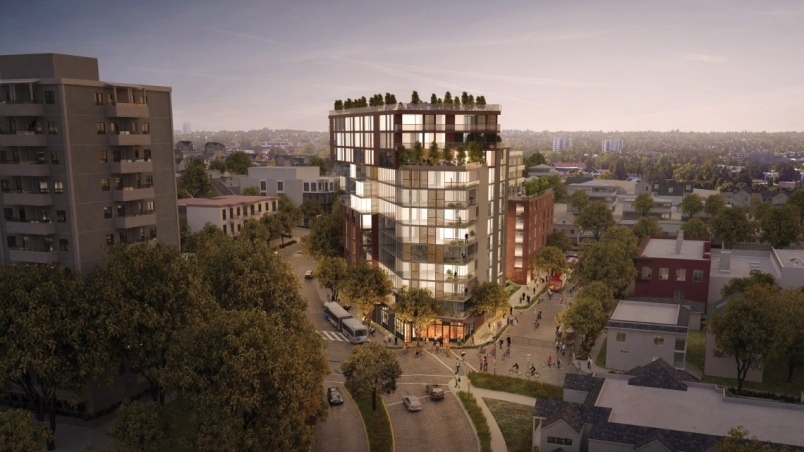
    Fallout over the BOFFO-Kettle deal that would have seen a new drop-in and supportive housing along with close to 200 market condos built atop an assembled parcel of private and public owned land and Commercial and Venables.

    As I commented to the Sun reporter yesterday and on Twitter as the story broke – it’s impossible to have an informed opinion on this issue because there is absolutely no transparency. Indeed, as close to half the property in question here is owned by the taxpayers, there should be an onus for even MORE clarity when it comes to negotiating Community Amenity Contributions. There isn’t.

    CACs are negotiated ad hoc, on a case-by-case basis between staff and developers. There is no public scrutiny, nor is there any predictability – this builds an air of frustration and distrust for both developers and the public. Where millions of dollars of public benefits are at stake, and where over the course of ten years of unfettered majority rule, Vision Vancouver have net millions of dollars in developer donations (just as the NPA did before them) it’s high time we took a closer look at how these benefits are calculated and for whom.

    In the case of the BOFFO-Kettle project, a conflux of issues: neighbourhood opposition to the height, scale and context of the project, with the developer on one side claiming the city has demanded too much public benefit to make the project viable, on the other side the city claiming the developer hasn’t even submitted an application and their asks are quite reasonable.

    Was the city being reasonable? Did BOFFO bail because of neighbourhood resistance, sunk costs, a softening speculative and offshore condo market, greener pastures and smoother sailing next door in Burnaby? — of course, we the public will never know what is really going on because the details of the CAC ask aren’t public.

    Mayoral candidate and UBC urban planning prof Patrick Condon once called CACs and spot zoning the soft spot for corruption. He’s right: let’s open it up and have honest good faith negotiations, we have a (moral) right to know what we are trading in public benefits for private profits.

    Postscript:  Interview and story here: http://vancouversun.com/news/local-news/scrutiny-over-how-development-fe…

  • Over six months later, negligent developers still screwing over local neighbours.

    Over six months later, negligent developers still screwing over local neighbours.

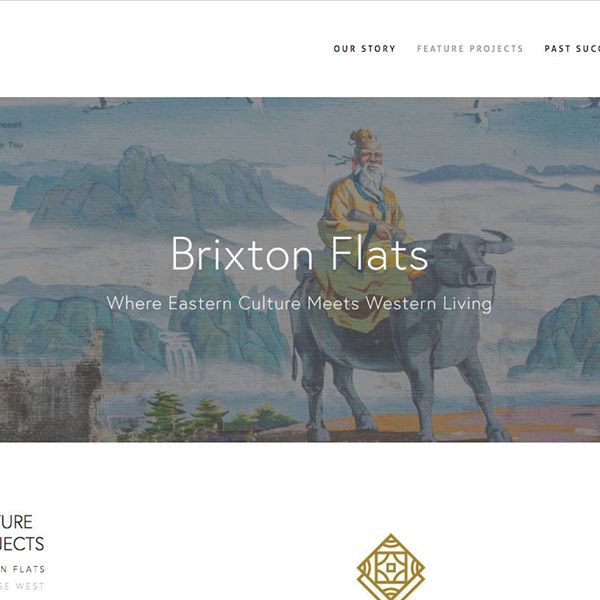
    Word that the developers of the Brixton Flats project in Chinatown are refusing to fairly compensate residents of the half dozen homes they destroyed back in in April, when a wind storm collapsed a brick retaining wall they had been constructing (ironically covering over the very mural they have featured in their promo for the new development).

    I know at least one of the tenants is getting some pro-bono legal support. Not sure if Lee Benevolent Association are also getting stiffed by the Vancouver-Victoria Development Corporation GMC Projects. Apparently GMC have taken the slippery route and have lawyered up to avoid paying out.

    GMC should not receive occupancy permits for their new development until fair compensation and damages have been paid to the displaced neighbours — this situation is entirely unacceptable.

    Link to original story from April 8:
    http://www.cbc.ca/news/canada/british-columbia/6-people-displaced-after-…

    Link to developers:
    http://www.gmcprojects.com/brixton-flats/

    Postscript: 

    Follow-up #1 on local residents still displaced by a “luxury flats” development, when a wall collapsed and rendered the two neighbouring properties uninhabitable. The city has since followed up, but no word on how they will force these developers to take accountability or prevent this sort of thing from happening in the future.

    Thanks to the Sun’s Dan Fumano for digging in and daylighting this!
    http://vancouversun.com/news/local-news/dan-fumano-developer-fights-comp…

    Follow-up #2 Happy follow up to share!
    Lesley – displaced by neighbouring construction negligence has housing secured in new Community Land Trust Housing. It’s a small victory in the battle for local housing and there’s still follow up work to do and ensure the city holds the negligent builders accountable before issuing an occupancy permit. But today, YAY!

    http://vancouversun.com/news/local-news/dan-fumano-for-pensioner-whose-h…

  • Voting Vision is more of the same and voting NPA could block key budget votes

    Voting Vision is more of the same and voting NPA could block key budget votes

    The best part of political campaigns is meeting people and reconnecting with our city’s neighbourhoods.

    But it’s bittersweet.

    I grew up here, I love Vancouver. But I feel sad and ashamed at what our city is becoming. Too many folk are being pushed out. People are living on the street. Increasingly our city is becoming more about speculative investment and less about people who live and work here.

    This Saturday’s by-election gives Vancouver voters the choice between several different candidates, but it’s also setting the stage for the coming general election in 2018 to elect a whole new mayor and council. Electing me as a second Green councillor means we can broaden the conversation at Vancouver City Hall, introduce motions, and force public debate in this crucial run up to the 2018 election.

    Greens are the only elected party that don’t take donations from the developer industry. Where the primary function of city council is to determine land use, we consider it unethical to take financial contributions from the very people who benefit the most from those decisions. The decisions we make about land use and their bearing on affordability are too important to allow the market to direct. Transparency, good governance, and public interest must be at the forefront of the response to our housing crisis.

    I’ll fight for our city, using the tools available to our city council. I’ve made it a priority in this election to focus on actions our city council—not senior government—can take to more aggressively address housing affordability in our city. We’ve had 10 years of promises that always seem to rely on senior levels of government. We need to focus on what city council can achieve, while also advocating for the policies our city needs to see from senior government to solve our housing crisis.

    I’ve mapped out five quick-starts our city council can take right away to address our city’s housing crisis: fixing the definition of “affordable housing” to local incomes; a moratorium on demolition of purpose built rentals; easing the red tape on legalizing and protecting affordable secondary suites; a dedicated renter’s office and strengthening of the tenant relocation and protection bylaw; and kick-starting a co-creative city plan to determine how and where we can add affordable density for the people who live and work here.

    In 2014, as a community advocate and organizer, I ran for city council because I was frustrated by Vancouver’s top-down approach to city building that disempowered the people who live and work here. I was frustrated by issues around homelessness and housing affordability, good governance and transparency, and the struggles of our small business and arts communities. Although I came close but didn’t get elected to council—I’ve kept at it, working on those same issues with my community and neighbours in the East End and citywide.

    Today in 2017, those same issues I championed in 2014 are even more crucial. Additionally, Adriane Carr has put the call out to have me join her on city council, because increasingly, as the lone Green and non-developer-backed city councillor, she faces challenges in having many of her motions seconded. A number of her motions, on matters like tying the definition of affordability to actual local incomes rather than the market, are watered down, changed, or ultimately scuttled by other parties before they can even see the light of day.

    Electing me to join her as a second Green means I can second her motions and she can second mine. This way we can bring important policy ideas out into the open and move council to address the challenges we face in a way that puts public interest, not private interests, first.

    Electing Vision is more of the same. Electing the NPA risks having them block key budget votes and increasingly polarize council in advance of our upcoming general civic election next year. Other candidates, while well-intentioned, may be getting lots of attention but are promising policies that under our legal jurisdiction can only be delivered by senior governments.

    The most strategic choice and most effective vote in this by-election to to elect me to join Adriane Carr to bring real transparency and accountability to city hall. This is the best move for our city both in the immediate term and in preparation for the general civic election in October 2018.

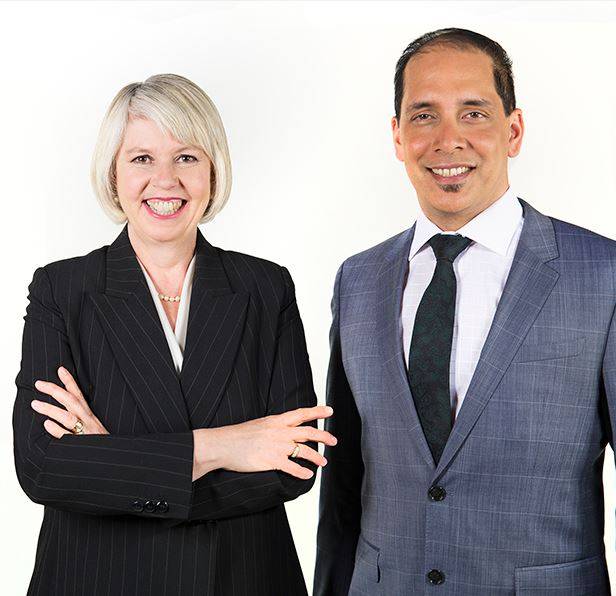
    This Saturday, please vote for me to join Green Councillor Adriane Carr for a real alternative at Vancouver City Hall.

    Pete Fry is the Green candidate in the Vancouver council by-election on Saturday (October 14).

    https://www.straight.com/news/980971/pete-fry-voting-vision-more-same-an…

  • Adriane Carr: Vancouver and I need Pete Fry on city council

    Adriane Carr: Vancouver and I need Pete Fry on city council

    I love my job as a Vancouver city councillor. But I’d get a lot more done and the city would be better off if Pete Fry were to join me at the council table.

    Dynamics were different at city hall when I was elected as Vancouver’s first Green councillor in 2011. The two NPA councillors—Affleck and Ball—were willing to second my motions even if they didn’t vote for them, just to ensure they got publicly debated. Vision councillors, who often tried to dissuade me from even making motions, occassionally seconded one, then basically quashed it by referring it to staff for review.

    Things changed after the 2014 election when Vision’s majority was reduced by one, the NPA gained a councillor, and I topped the polls and my running mates, Pete Fry and Cleta Brown, came close to winning. Council is more hyperpartisan and rancorous, although I stay out of the fray. Both Vision and the NPA are increasingly reluctant to second my motions unless I accept their changes, which often means watering down my original intent. Sometimes no one will second my motion. And many are still referred by Vision to staff, meaning there’s no debate or vote on what I’ve proposed. That includes my motion to change our city bylaws to define housing affordability in terms of local peoples’ incomes, not market rents.

    Why is this important? Because it’s through motions that I table new ideas and solutions to city problems, many of which come from residents themselves. Those ideas, especially concerning our housing and homelessness crisis, deserve debate and consideration. Goodness knows, the thinking and big-developer biases that have dominated council for the last 10 years haven’t solved our problems.

    Vancouver needs a more balanced council, focused on protecting public interest, not on scoring partisan points.

    Vancouver and I need Pete Fry elected to council on Saturday (October 14).

    I first met Pete Fry in his role as spokesperson for the Strathcona Residents’ Association, fighting a dangerous proposal to dramatically increase commuter traffic through their neighbourhood as part of the viaducts removal. That proposal got dropped. I admired his dedication to community and asked Pete to run with me for council in 2014.

    Pete is impressive and effective. He’s active on community boards and planning committees. He’s passionate about people’s quality of life, both in his neighbourhood and Vancouver as a whole. He is articulate and deeply knowledgeable about city issues, providing me with valuable information and answering matter of factly when grilled by councillors every time he speaks at city hall—on issues ranging from the impact of short term rentals on affordable long-term rental housing to small business concerns and community economic development to planning and transportation issues.

    Pete is a people-person, just as easily connecting with Downtown Eastsiders as with the well-to-do; with homeowners as with renters; with policy wonks as with punk rockers. Pete listens to people’s ideas and concerns around city decisions. He searches out new solutions, travelling to Portland and Seattle, for example, to check out the unique Dignity Village for homeless people and meet with planners about how they genuinely involve the public in city decision-making through neighbourhood councils.

    Pete is practical. Although lobbying for senior government support is important, he’s focused on finding the ideas that Vancouver itself can act on to solve our escalating housing affordability and homelessness crisis.

    Here’s Pete’s five-point quick-action plan on housing:

    1. Change city bylaws to make affordable mean affordable: based on local incomes, not market rates.

    2. Call for a one-year moratorium on demolition of purpose-built rental housing, and strengthen the tenant relocation and protection guidelines.

    3. Protect and increase secondary and basement suites by making it easy to legalize them.

    4. Launch a citywide plan to involve citizens in deciding how to add density, affordability, and “missing middle” housing into their neighbourhoods.

    5. Create a Renter’s Office at the City, to better protect and resource the over half of Vancouverites who rent their homes.

    Elect Pete and he’ll hit the ground running to move on these actions and more. He knows the ropes at city hall. We’ll work together on motions, and get double the time I now have to ask questions and debate. (Each councillor gets only five minutes.) He’ll change the dynamics at the council table. He’ll join me in putting public interest first.

    There’s a mood for change in our city. Pete’s been leading in the polls. I hope voters turn out in droves on Saturday (October 14) to vote Green and elect Pete Fry.

    I need Pete Fry on City Council. More importantly, Vancouver does.

    Adriane Carr is Vancouver’s only Green party city councillor.

  • ‘We’re really about the grassroots’: Interview with Vancouver city council candidate Pete Fry

    ‘We’re really about the grassroots’: Interview with Vancouver city council candidate Pete Fry

    With two days of advanced voting completed before general voting day on Oct. 14, Green Party candidate Pete Fry is hoping to join Green Party councillor Adriane Carr on Vancouver’s city council. rabble.ca spoke with Fry to find out how a second Green Party member would change the dynamics on city council. This interview has been edited and condensed.

    Why did you want to run?

    I ran in 2014 for city council. I was inspired then to run through frustrations dealing with the city as a local, community advocate, I’d been on the Downtown Eastside Local Area Plan, was very frustrated by how that process really unfolded and how disingenuous it was. It wasn’t real, collaborative community building, it was really just checking boxes and we didn’t really engage the way any of us wanted to so that’s why the majority of the committee from all different sectors rejected the LAP.

    That’s the way I got into it because of issues around the viaduct and how they were going to remove the viaduct and they didn’t really have a plan for east of Main, they didn’t really have a mitigation plan for how housing and gentrification impacts of the surrounding area, they didn’t have a plan for Hogan’s Alley and reconciling the systemic, racist displacement policy that actually chose the black community to eradicate from the city of Vancouver and I think that had a lasting legacy on the black community.

    I was really interested in solutions for AirBnb and homelessness, stuff that I had actively researched, I’d gone down to Portland and met with city officials there and talked about some of the solutions that they were exploring. That was in 2014 and here we are in 2017 and I feel like every single one of those problems is worse than it was when I ran in 2014, so there’s a need to get out there and advocate.

    There’s a real challenge at city hall right now because we have Adriane Carr who was the top vote getter in the last election, but she’s by herself on city council. The way that the political process works is that if she wants to put forward a motion she needs a seconder. So anything she wants to put forward, she needs a seconder. So she needs to literally go to Vision or the NPA and cut deals and compromise in order to get her motions on the table and that really undermines the democratic process and the spirit of the motion.

    I think that having another hard working Green, because Adriane Carr works very hard and doesn’t really subscribe to the narrow partisan politics that we see in the other two parties, I think having two of us not only broadens the opportunity for democratic participation and broaden the conversation, but actually doubles the impact of the kind of stuff we can do and really adds some new voices to the highly toxic partisan mix that’s there now.

    Now you’ve already addressed this a bit, but how would having another Green party member on city council affect council’s dynamics?

    It would double our power and give the opportunity to second motions. There’s another pretty significant dynamic that’s at play here and that’s the notion that for any finance vote at city hall, it actually requires two-third majority. So any grant allocation, that kind of thing, requires a two-third majority.

    This almost became a disaster earlier this year on the fentanyl crisis budget. So they were allocating more money from peer support, part of the fentanyl budget that had already been approved. Geoff Meggs was already off, Kerry Jang was away and the NPA were threatening to block it. And they could’ve. A lot of hustling and backroom stuff had to happen to make them not pull an obstructionist move.

    But given my main competition and chomping at my heels in this election, according to all the polls is the NPA guy. There’s a real risk of setting up a scenario where if we had four NPA councillors, they could very easily shut down city hall and use it as a leverage point to move into the 2018 election by paralyzing city hall and proving Vision to be completely ineffective. So there’s a real possibility that that might happen. This is really getting into the house of cards kind of politics, but that’s unfortunately how things go at city hall.

    Coming in as the Greens we’re a lot less partisan that way. We’re really more interested in putting public interest first. There’s this power struggle that reflects a lot of provincial animosity that occurs between Vision and the NPA. I guess it’s no secret that the NPA candidate is coming from the Christy Clark camp of the BC Liberals.

    As we’ve seen from how the outcome of the provincial election played out in May, that a small number of Greens can make a pretty significant difference in the outcome and we see that as a real opportunity here.

    Broadly speaking, it feels like there’s a lot riding on this election. What do you feel is at stake?

    This really sets the tone for 2018. I feel like there’s a lot at stake if the NPA managed to pull off a finance vote-blocking majority. That’s a huge risk at stake.

    Vision Vancouver has been in here for 10 years and had ample opportunity to address any of the things they campaigned on in 2008, which included ending homelessness, which included addressing major properties, all those things were in their 2008 campaign and they still haven’t really dealt with any of those. And certainly not done much to shift the development narrative and, of course, both the NPA and Vision are heavily indebted to the developer industry because they accept donations from those players. The Green Party, we specifically do not. We are the only elected party that doesn’t take developer donations.

    I think there is a lot at stake insofar as we’re going farther and farther down the rabbit hole and if we don’t make some bold moves now, we are going to end up with the kind of city where we’re a resort town.

    What issues do you feel are being neglected by present city council?

    Building the right kind of housing and shifting that development narrative, that’s long overdue. I don’t even think we see that really happening in a lot of the proposals that the NPA and Vision are both putting forward. They seem to be more supply geared. Supply alone is not the answer. It’s building the right kind of supply.

    We have quite limited powers at the City of Vancouver. Fundamentally the work of the city council is making land-use decisions. We can’t do things like assessment and property taxes and property transfer taxes, rent control, those are all federal or mostly provincial. We can’t really affect or make those changes. But what we can do is say what we want built where and we can effectively regulate.

    It’s no secret that some of Vision Vancouver’s biggest donors are building big, luxury condominium towers. We need to regulate that kind of building. There are plenty of smaller developers who are being hung up with red tape and they’re not getting the kind of support that they need. Vancouver has the highest wait time for permit approval in the entire GVRD. We need to be re-shifting our focus from building these big, luxury projects and condos into building more of that housing that’s going to support the people that live and work here.

    Typically that’s a gentler gentrification, more of the three-storey walk-up type of apartments, more of the row houses and perimeter housing and it does mean having to have those conversations with the neighbourhoods about how we’re going to densify, how we’re going to add affordability, how we’re going to add housing into neighbourhoods. It has to happen. It’s not really an “if you want it to happen,” it’s how is it going to happen?

    Fundamentally, as Greens we’re really about the grassroots. We’re really about empowering communities to be actually co-creative participants in a planning process; that’s one of the main reason for a city-wide plan. A lot of the anxiety, a lot of the tensions, a lot of the things that happen at city hall are a direct result of top-down planning.

    Is there anything else you want to add?

    One of the things that has really crippled our city is a legacy of Vision Vancouver’s management style. Under Penny Ballem a lot of city staffer departments were decimated to the point where we have a lot of city employees that are working on six-month contracts. A lot of senior staff have left. They’re not invested in their job because they’re only on a six-month contract, they can’t get a mortgage, they don’t get healthcare benefits, they’re denied all these things.

    I think we do need to do a better job of resourcing our staff. I think we’ve seen all sorts of emerging technologies that we need to be on top of. So for instance, the short-term rental situation, here’s Airbnb, there’s a myriad of other short-term rental platforms in languages other than English that we’re not even tracking. There’s a Chinese (version of) Uber that is operating in the city of Vancouver for the last year, and they’re running about 10,000 trips a month and they’re seriously undercutting the taxis. Meanwhile, we’re still debating about the merits of Uber, but there’s one that’s been going on here for a year.

    We need to be super on top of changing technologies, we need to really resource and support the kind of staff needs that will address those emerging technologies.

    Alyse Kotyk is a Vancouver-based writer and editor with a passion for social justice and storytelling. She completed her undergraduate degree at Queen’s University and studied journalism at Langara College. Alyse’s work has also appeared in The Globe and Mail, Pilcrow Magazine and Vancouver Observer. She was rabble’s 2015-16 news intern.

    http://rabble.ca/news/2017/10/were-really-about-grassroots-interview-van…