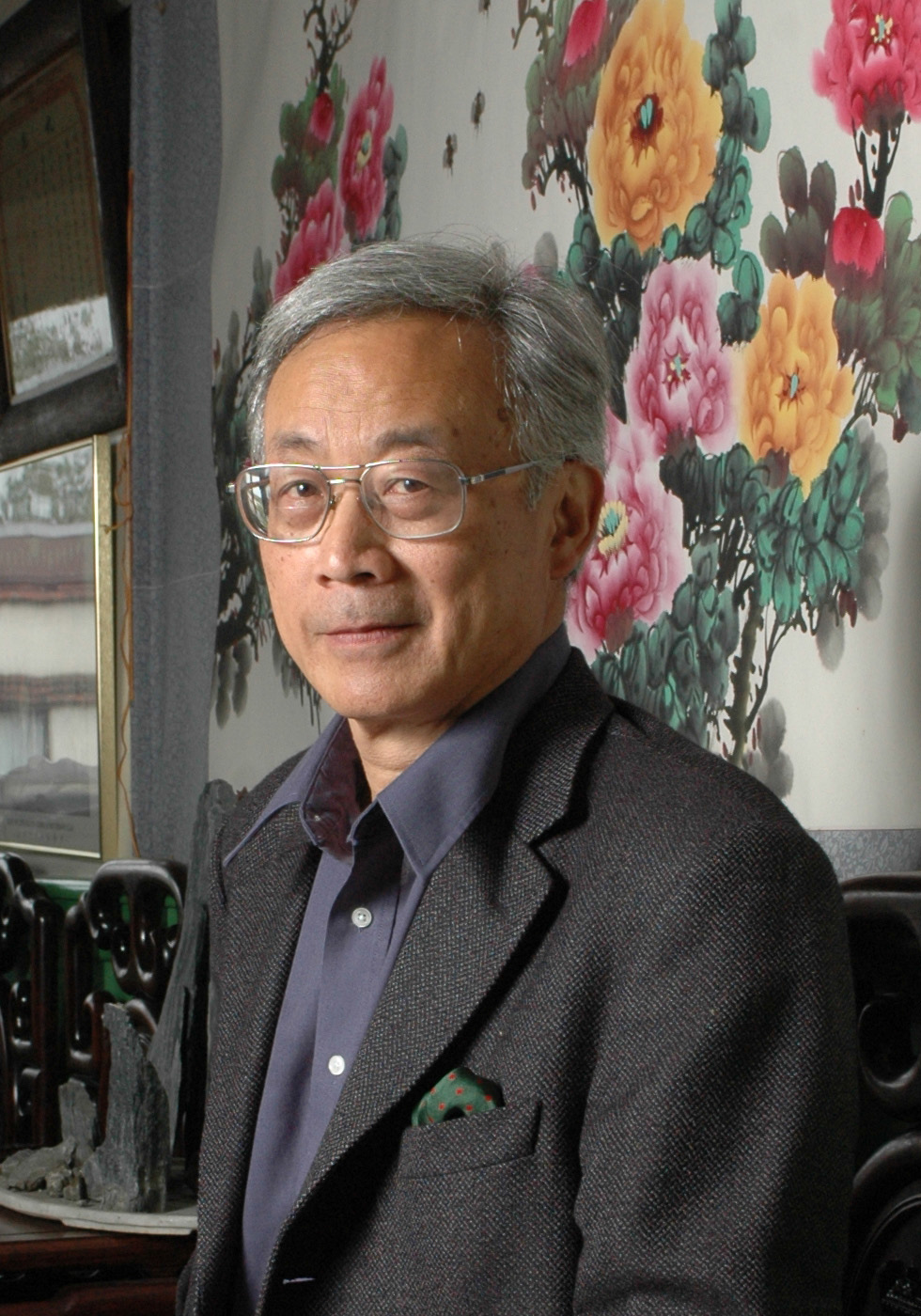
Very sad news to note yesterday, the passing of Joe Wai.
Many in Strathcona might only know of Joe Wai as the nickname for the ubiquitous stuccoed and bay-windowed duplexes and triplexes throughout the neighbourhood, as the 1970’s BC Housing built and Joe Wai designed structures came to be colloquially known. Those then-new structures quite sensitively complimented the Victorian venacular of Strathcona, which at the time was literally falling apart, blighted as a result of deliberate city policies that sought to “renew” Strathcona with bulldozers, housing projects, and highways. Joe, and his photographer brother Hayne were young neighbourhood advocates and activists, who joined forces with the Strathcona Owners and Tenants Association (SPOTA) to fight the expropriation and destruction of Chinatown and Strathcona. Those efforts are the only reason our neighbourhood exists today.
Joe went on to design some of our city’s best loved Chinatown places, including the Dr. Sun Yat-Sen Classical Chinese Gardens, the Chinese Cultural Centre, Skwachàys Healing Lodge, and the Millennium Gate. Along the way he was a driving force behind the preservation of Chinatown and renewing it’s many heritage buildings and facades, and he led the campaign to see Chinatown designated as a National Historic Site. One of his as-yet incomplete projects —on he specifically sought and received SRA support for— is the Villa Cathay renewal, which will see improved and expanded seniors’ housing for Chinese elders in our community.
Last year at 75, Joe was given an Architectural Institute of B.C. lifetime achievement award. He will be dearly missed even as his legacy lives on.
I wrote this piece for the local Strathcona Residents’ Association newsletter; almost as soon as I’d heard the news, I poured myself a stiff drink and thought about Joe’s influence on the city, our neighborhood, and me.
I met Joe and his brother Hayne around the same time. Hayne, an accomplished photographer and historian had a magnificent collection of under appreciated photographs from the SPOTA days; when that grassroots organization rallied to save our Strathcona neighbourhood from the wrecking ball. Joe, of course was already the stuff of legend, and (nick)namesake of the charming style of dense and well designed housing throughout the ‘hood including next-door to me, a cheerful triplex where Jim Green was living at that time.
Joe later came to me when I was chair of the Resident’s Association with a big renovation proposal, to replace a dated and worn-out seniors housing facility —Villa Cathay on Union Street— with a new modern facility, more amenities, more and better housing, and an 11 story tower. Of course, towers are generally pretty much an anathema to residents associations everywhere; especially when plonked down in the middle of a low rise neighbourhood, and in the context of an overly developer-friendly city government. But the irony was not lost on me —that Joe and many of those very seniors he sought to house had helped to save our neighbourhood in the first place; and that as the specter of big development was threatening to destroy Chinatown and displace it’s residents, they would need someplace to go. I’m proud to say that the SRA went on to unanimously support the Villa Cathay rezoning in February 2013.
Of course, those fears for Chinatown and displacement proved to be well-founded, and I had the occasion to talk with Joe many times about how we might protect it, and I watched as Joe in turn inspired a new generation of activists. As I went on to write on my personal Facebook page; I never felt so honoured as when Joe graciously offered me his endorsement for my political endeavours – it’s a trust and a legacy that I will carry with me always.
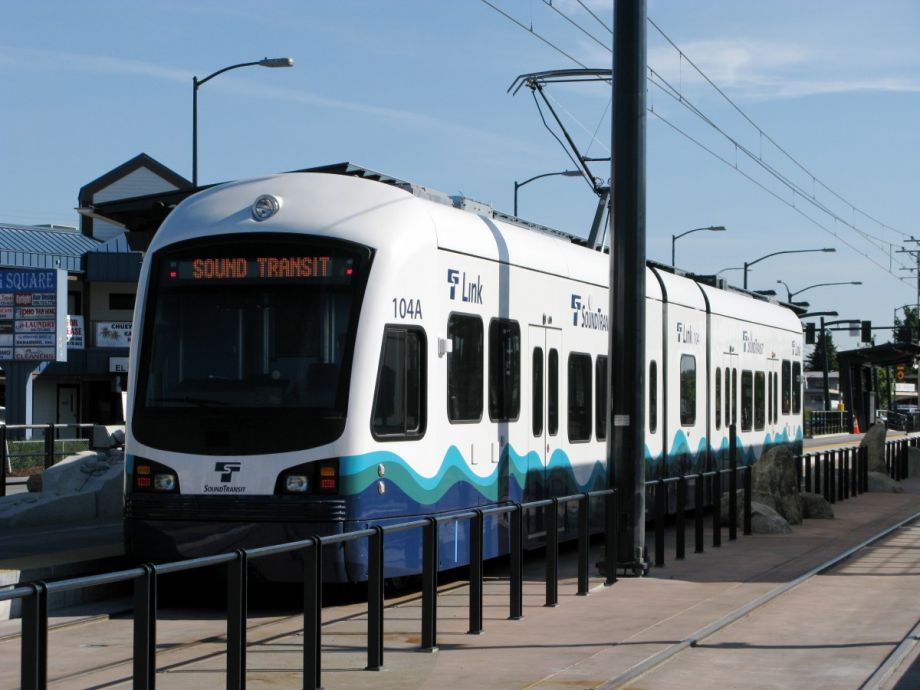
Here in Greater Vancouver, transit oriented development is not seen as a driver of building of affordable housing, in fact it’s been quite the opposite: In Burnaby we are seeing wholesale demovictions of communities with affordable housing bulldozed to make room for new less affordable towers, In Vancouver, where T.O.D has been employed (Marine Drive and Oakridge) proposed developments offer an abysmal portion of affordable housing, but tremendous condo sales and presales.
Recognizing that lower incomed residents are most likely to benefit from access to rapid transit, Seattle is taking a different approach to T.O.D.: the Regional Equitable Development Initiative (REDI) Fund, providing low cost early financing to “pre-buy” lots in areas of proposed T.O.D., before the developers swarm in to build luxury. Here, of course this could be applied proactively to the Broadway corridor and Jericho Lands (though it is probably too late for Boradway/Commercial) — however, it would really require some zoning will on the part of the city. In the Seattle example any properties acquired using REDI funds will be required to provide minimum 25% housing for people below 50% of the median income as well as other targets.
Of course, Seattle has a ward system, and strict campaign finance limits: so the influence of big developer money is not ingrained as it is here. There may not be the political will, and in our case may require some amending of the Vancouver Charter, but it’s something that should happen here.
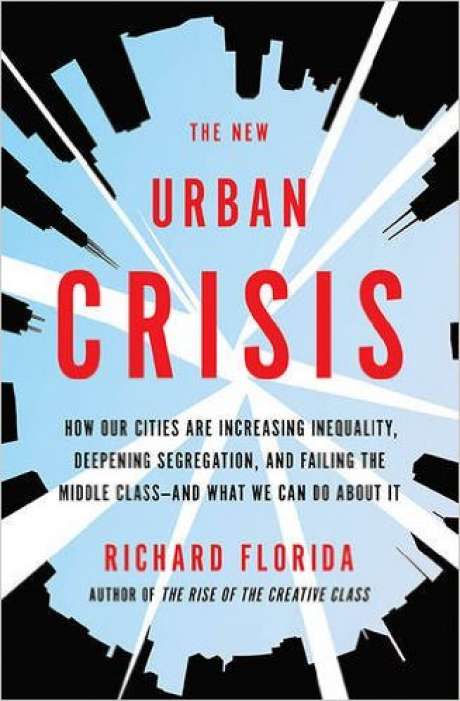
When people ask what went wrong, and how did Vancouver get to this crisis point of inequality and unaffordability — I’ve often pointed to the Richard Florida mantra of the creative class / creative cities: a school of urbanism that has dominated our city’s politics and planning for the last decade.
Florida’s premise: that economic and urban renewal could result from wooing the “creative class”, that things like hip coffee shops, bike infrastructure, and social engineering with a progressive veneer would fuel urban transformations.
Then, as now, critics pointed out that this revitalization would bring wider income disparity; and that in its desirability, the creative class city would quickly run dry of affordable housing. Well, it happened, and its happening: our city is reaping what the creative class thought leaders have sown.
That is why it’s so incredible, fifteen years on, to hear Florida now pull away from the very theory that made him a star in urbanist circles — and candidly admit that there is a very dark side to the urban creative revolution: inequality. The creative class divide.
His new theories now talk about “inclusive urbanism”, about investing in residents’ skills rather than yuppifying communities. It echoes a lot of the work I’m doing now, where urbanist and developer-speak about “placemaking” are countered with the need for place-based strategies: namely, urban revitalization that includes the people who are already here.
Florida also takes aim at: “the tribe of urban libertarians who advocate loosening development restrictions to boost housing construction and bring down prices, as if affordability were simply a matter of supply and demand”
So for once, I’m actually looking forward to the hearing something Richard Florida has to say. The book is expected next spring.
At long last, the City of Vancouver has hired a Chief Planner, Mr. Gil Kelley.
Kelley comes with a solid background of West Coast urban planning experience: two years as head planner in San Francisco, fourteen years as director of planning for Berkley, and ten years as the lead in Portland. I’ll admit, as a Portland-o-phile that last bit piqued my curiosity, I’ve long admired the PDX approach to community involvement, human scale density, multi-modal transportation, sustainability, and placemaking.
So can we expect Portlandia-style planning in Vancouver’s future?
Of late, the City of Vancouver has been notoriously secretive about its hiring process, as such it’s anybody’s guess what the specific hiring criteria might have been: but former Director of Planning, Brent Toderian outlined five big fixes the new Chief Planner needs to achieve, (to wit: independence, good design, transparency, community engagement, and innovative leadership) all of which are noteworthy aspirations for the planning department. Ironically, Toderian was the last Director of Planning our city had — hired by the NPA, turfed by Vision Vancouver — the position of Director was re-engineered into two separate positions: Chief Planner and General Manager of Planning & Development (of eyebrow-raising note, those last two placements and the recent hire of City Manager earlier this year mean three of the most powerful five bureaucrats in our city are US citizens).
As far as Portland, we share a lot of similarities with our Cascadian sister city: Logging towns birthed in the crucible of railways, gold rush, and Western expansion; ugly histories (and legacies) of racism and displacement; former backwaters thrust into the limelight of desirability and imagination in the Pacific age. Both cities are experiencing rapid growth in population and housing costs. Portland’s rate of growth far surpasses our own, though not nearly the rate of housing unaffordability. Sadly Portland and Vancouver both share similar levels of street homelessness, though arguably Portland has shown willingness to look at more innovative community-based solutions like Dignity Village.
Like Vancouver, Portland’s urban fabric was ultimately defined by their resistance to the 1970’s urban freeway push. Unlike Vancouver though, Portland’s freeway resistance gave rise to a robust and institutionalized system to involve communities in the planning process: the Office of Neighbourhood Involvement. The ONI allocates city resources and staffing to ensure grassroots residents associations are representative and meaningful partners in local development and land use decisions. With close to 100 neighbourhood associations, all officially recognized and supported by the City of Portland, there is a distinct DIY attitude, where citizens commandeer public space to create pocket parks and intersection repairs, the ONI further engages them to take an active role in planning their communities.
Portland, unlike Vancouver has a lot more space — almost three times as much land area in the city proper and a similar population means Portland has a lot less density. The density distinction manifests in Portland as delightfully walkable and human scale environments, incubators of small business and neighbourhoods, connected by good transit and bike-friendly road network. On Portland’s periphery “East of the 205” any pretense of smart density makes way to sprawl, but in established neighbourhoods closer to the city centre, density takes the form of tiny houses and newer mid-rise woodframe style construction that integrate reasonably well with the existing urban fabric.
In looking at Mr. Kelley’s tenure as Portland Director of Planning – there are two noteworthy highlights: one good, one not-so-good.
The good, The Pearl: master planning with robust inclusionary zoning
The Pearl District is kind of Portland’s Yaletown, a former brownfield (railyard) site: with pleasant streets, interesting architecture mixing old and new, lots of public amenities and a decent mix of affordable housing that far surpass our own targets for inclusionary zoning. The 130+ acre Pearl site has targetted 35% affordable housing in its mix and currently sits at around 28%, where Portland defines affordable housing as 30 percent of gross household income for rent and utilities (Vancouver on the other hand barely ever meets the 20% inclusionary target and defines affordable housing as “something somebody can afford”).
Along with having “good bones” and historic context, the Pearl’s success in no small part can be ascribed to the culture of neighbourhood involvement. Residents articulated and pushed for livable communities, with affordable housing targets and good local serving transit.
The not-so good, Portland’s attempt at Vancouverism: The Portland South Waterfront.
I’ll admit that after speaking with architects, planners and community leaders about what worked and what didn’t in their city, and visiting Portland’s many interesting, inclusive, and vibrant neighbourhoods, I was aghast when I came across the South Waterfront. It reminded me of the worst of Vancouverism: point and podium architecture, glass curtainwalls and big frontage ground oriented retail, the only saving graces were pretty parks, and a nice riverwall — oh and good transit connections to get the hell out of there. What struck me the most was in comparison to the other vibrant neighbourhoods of Portland, the SW District was antiseptic, boring and devoid of vibrant street life. Perhaps unsurprisingly, like Vancouverism, the housing mix in that district falls well short of the Pearl, with units of affordable housing only in the double digits and far less robust inclusionary zoning targets.
Like the Pearl, the “SoWa” was a brownfield site, but what it lacked were the good bones and thoughtful engaged residents to breathe life into the area. Instead, the SW felt like it was a project guided by the hand of private developers. It should be noted the other extenuating circumstance with the SoWa, notably the large anchor tenant nearby in the Oregon Health and Science University and facilities and the role they played in the type of community built.
Urban Renewal and tax-increment financing
Both the Pearl and SoWa share a similarity in Portland’s funding model for big urban renewal projects. Portland, by way of its urban renewal commission the Portland Development Corporation is able to leverage the potential of these projects through bonds. The bonds in turn are paid off by tax increment financing: the expectation of future property tax revenues resulting from increased density will pay off the bonds over the course of decades. The TIF structure puts that city in the driver’s seat, where robust targets for public benefits and affordable housing can be mandated and prioritized. It’s a stark contrast to here in Vancouver, where developers carry the upfront cost and the city effectively plays a junior partner in negotiating affordable housing and public benefits. If the proof is in the pudding, it’s worth noting that Portland’s City Council was able to repsond to their own housing crisis by earmarking 45% of all urban renewal funding for affordable housing.
Unfortunately, the very idea of urban renewal and tax-increment financing are impossible under our antiquated Vancouver Charter. With the mandate of our new planner including big urban renewal projects like NE False Creek and densifying Broadway, the conversation shifts to how those will happen. So here is my own five big fixes the new chief planner needs to achieve.
Five big Portland-style fixes for Gil Kelly
1. Make the case for tax increment funded urban renewal. Bring strong leadership from the planning department to push for changes to the Vancouver Charter that will allow us to look toward wresting the control from developers into the hands of local government. With a provincial election coming, now is the time to do it.
2. Create an Office of Neighbourhood Involvement model for Vancouver. Redefine the relationship between communities and the city. Bring neighbourhoods in as partners in planning.
3. Make meaningful commitments to inclusionary zoning and affordable housing. Redefine what “affordable housing” means in the context of the people who actually live here, push for more robust inclusionary zoning in big projects.
4. Save cash, less flash when it comes to sustainability. Portland manages a great deal of cost-effective sustainable measures: simple solutions like bioswales in pedestrian bulges to manage stormwater and bike boulevard neighbourhood greenways, which prioritize cyclist safety while limiting cars to local vehicle traffic and calming neighbourhood streets for all users. Install more bike parking for locals. Encourage local DIY placemaking as a means to nurturing walkable communities. Grow back our tree canopy. Improve the process for small scale developments, residential infill and forms like row and permiter housing.
5. Be bold, but be transparent. Kelley will be taking on some big urban renewal projects, including the expectation to fund a new SkyTrain with transit-oriented development. I’d suggest the failure of the transit plebiscite was in no small part influenced by public distrust of Translink and the Mayor’s Council. Portland has done a good job of multimodal transit, prioritizing LRT and electric streetcars over expensive subways and diesel busses. A Broadway Subway to Arbutus may be a done deal, but let’s look at other options when it comes to improving our network to UBC and city-wide, and what other forms of transit oriented development might look like. And while he’s at it, show some boldness by breaking from that clichéd Vancouverism pastiche of new urbanism.
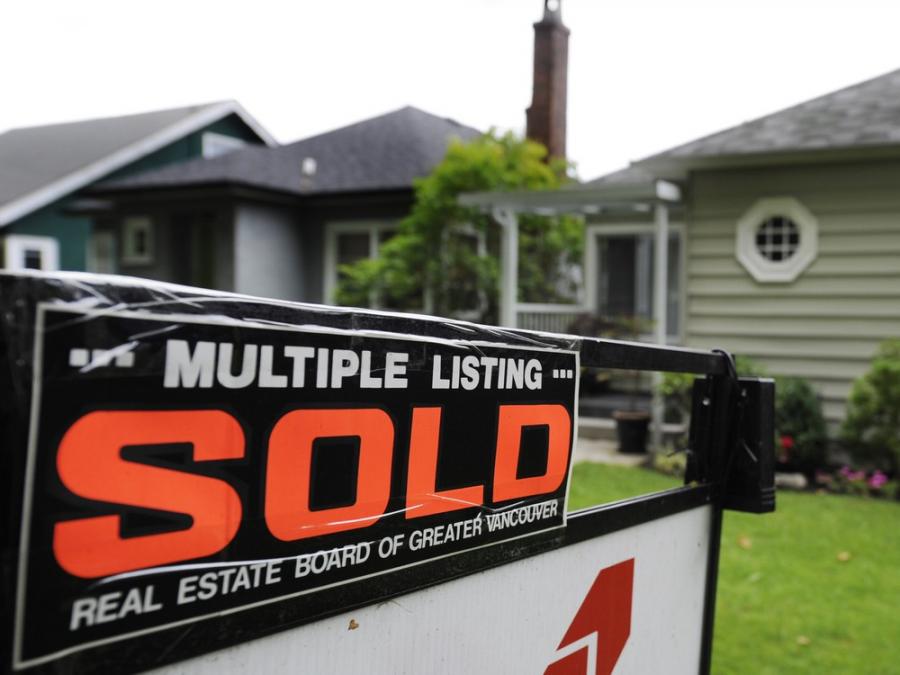
The litany of lost opportunities to meaningfully address the housing crisis in our city is depressingly long, and given the role that the real estate industry can play in that equation — you might be surprised to learn that the City of Vancouver have absolutely no rules or regulations to govern the licensing of realtors doing business in the City of Vancouver.
Wednesday morning (July 13) the Independent Advisory Group on Real Estate Licensee Conduct, in a presentation to City Hall reported on Conduct and Practices in the Real Estate Industry in British Columbia. The Advisory Group, mandated by the Real Estate Council of BC was there ostensibly to reassure City Councillors that something was being done on a provincial level about corruption and conduct in that industry.
The practices of certain bad player realtors in our city have come under increasing scrutiny in recent months: from shady practices like shadow flipping and double ending, to serious allegations about ethics, transparency and discipline within the Real Estate Board of Greater Vancouver and even some realtors failing to comply with federal (FINTRAC) money laundering rules — but so far, City Council hasn’t taken any action.
Three term Vision Vancouver Councillor Kerry Jang even had the temerity / lack of self-awareness to ask “what took you so long?” of the industry regulators’ failure to address the housing crisis, jokingly asking if they “were having too good a time making too much money” (I think somewhere in the audience I heard the echo of a sad trombone).
Some might argue that the licensing of realtors is already mandated and regulated by the provincial government, and that’s true. In the wake of reports of egregious and unfettered realtor practices, the provincial government recently acted decisively (if not belatedly) to end the controversial practice of real estate industry self regulation. But the recently streamlined process for acquiring a license to do business in the City of Vancouver doesn’t now, nor has it ever placed any restrictions or regulation on realtors operating in our city.
Provincial and federal legislation and jurisdictional overlaps aren’t otherwise precluded from existing City of Vancouver licensing though. In fact, the City has a number of business licensing bylaws that overlap with pre-existent senior government legislation, addressing specific industry sectors under a mandate that includes “protecting vulnerable populations”. It’s not a stretch to suggest the housing crisis in our city has created a significantly vulnerable population — so why is the city failing to enact suitable protection methods?
A review of City’s License Bylaw (4450), details a number of definitions, conditions, prescriptions, and restrictions to getting a business license. Want to open a cheque-cashing business? Despite robust federal legislation and industry self-regulation, there’s a bylaw for that. Want to open a business that serves alcohol? Despite readily enforcable provincial laws, there are dozens of conditions outlined in the bylaw including “responsible serving practices… [per] provincial operating regulations”. Open a compassion club? There are over thirty different articulated conditions, despite pre-existing federal law and industry self-regulation.
Contractors, recyclers, bowling alleys, dating services, pet stores, bike couriers, vapour-lounges: each have conditions and restrictions on doing business in our city — but there is nothing for realtors. At Wednesday’s presentation a number of city councillors expressed concerns about residents, seniors in particular being duped by unsolicited high pressure realtor sales tactics — while city business licensing bylaws prohibit contractors and peddlers from such practices, there is no bylaw for realtors.
The realtor business is booming: the Real Estate Board of Greater Vancouver reports an all time high with 12,200 registered realtors. Licensing couldn’t be easier: $1300 and an online course is all it takes, companies like New Coast Realty will generously offer pre-training and a bursary to cover the cost. It should be noted that New Coast are also notorious for ethically dubious training, along with a lack of FINTRAC compliance, double-ending and shadow flipping.
Given the impact of housing unaffordability, it is not enough that the city rely on industry self-regulation, toothless legislation, and as yet undelivered provincial oversight. Under their mandate to regulate the licensing of business, trade, professions, and other occupations with the City of Vancouver – licensing should at the very least be regulating the practices of realtors in our city, it’s shamefully long overdue.


 Logging towns birthed in the crucible of railways, gold rush, and Western expansion; ugly histories (and legacies) of racism and displacement; former backwaters thrust into the limelight of desirability and imagination in the Pacific age. Both cities are experiencing rapid growth in population and housing costs. Portland’s rate of growth far surpasses our own, though not nearly the rate of housing unaffordability. Sadly Portland and Vancouver both share similar levels of street homelessness, though arguably Portland has shown willingness to look at more innovative community-based solutions like