
Tag: URBANISM

  • Thoughts on mayor’s bid to lure Amazon HQ2 to Vancouver

    Thoughts on mayor’s bid to lure Amazon HQ2 to Vancouver

    Let this sink in.

    While so many of Vancouver’s bricks-and-mortar small businesses are struggling to stay afloat, our mayor is trying to woo a multinational corporation whose business model is based on replacing local bricks-and-mortar shops. 

    While that’s sinking in, consider this:

    The proposed second headquarters for the monopoly seeking online retail behemoth would take up about 8 million square feet and employ about 50,000 high paying jobs. 

     Vancouver doesn’t have nearly that number of job seeking white collar tech workers, so those 50,000 tech jobs will represent a significant population influx. Set against the failure to meaningfully address urgent local issues like homelessness, housing un-affordability, low vacancy rates, and struggling retail districts; it’s hard to imagine what (if any) plan the mayor has to counter the impact of Amazon HQ2. 

    The scale of the project, and rumours to locate it on the False Creek Flats, or on land extracted from the Agricultural Land Reserve will be a monumental “game changer” [2] for our city.  

    But like any game changer, there are winners and losers: given the state of Vancouver, it’s not hard to imagine who the losers will be. 

    “Amazon’s rise has not been without local critics, who say the influx of mostly well-heeled tech workers has caused housing prices to skyrocket, clogged the streets with traffic and changed the city for the worse…” [1] 

    While it is laudable for our city and the Vancouver Economic Commission to attempt to lure new business and investment to the region (project has a $5b pricetag and promises significant indirect economic activity), it’s worth taking a closer look at what Amazon represents. 

    In a 2015 paper, Civic Economics: “Amazon and Empty Storefronts” [3] studied the impacts of Amazon’s online retail on the U.S. market: in that year, Amazon sold $55.6 billion of retail goods nationwide, resulting in a net loss of 222,000 retail jobs, depriving an equivalent of $528 million in otherwise bricks-and-mortar storefront property taxes, and avoiding $704 million in sales tax. Amazon has even patented autonomous drone technology with plans to deliver products directly from its warehouse to your home. 

    In Seattle, Amazon’s premiere HQ is described as the harbinger of that city’s record growth: “Amazon has been blamed or praised — depending on your perspective — for Seattle’s historic real estate boom.” 

    Contrast the Amazon model and its impacts with current situation for local bricks and mortar stores: struggling under skyrocketing land values and taxes, unable to retain employees increasingly priced out of living in the city, financially squeezed customers and shrinking disposable income. 

    Vancouver: we need to get our own house in order before we start inviting new guests. 

    [1] http://vancouversun.com/news/local-news/toronto-among-the-cities-vying-to-become-second-amazon-home-in-north-america 

    [2] https://www.biv.com/article/2017/9/could-vancouver-become-amazons-second-home/ 

    [3] http://www.civiceconomics.com/empty-storefronts.html 

    [4] http://www.seattletimes.com/business/real-estate/could-amazons-hq-bombshell-let-the-air-out-of-seattles-housing-and-development-boom/

    Postscript: 

    Since I posted this on Facebook, there was considerable interest and some comment suggesting I was against well paying jobs. Let me be perfectly clear, I support the creation and attraction of good well paying jobs. The mayor’s office has also since done a 180˚ suggesting the bid for Amazon would now be a regional one, not the City of Vancouver going it alone. While the greater metro region is a far more reasonable consideration to support a 100 acre site and 50,000 high paid employees, there is still a great deal of scrutiny and long range planning to consider in a project of this scale, including what kind of deals and concessions we may be offering to lure the Amazon HQ2.

    An interesting article on that last consideration can be found here https://www.brookings.edu/blog/the-avenue/2017/09/08/amazons-red-herring/ and here https://www.nytimes.com/2017/09/07/technology/amazon-headquarters-north-america.html?mcubz=1&_r=0.

    Given the mayor’s track record so far on dealing with housing, homelessness and protecting small local businesses, and history of backroom deals and developer campaign donations — I remain cynical about how this particular project would be handled.
  • How and for who does the city define public benefits?

    How and for who does the city define public benefits?

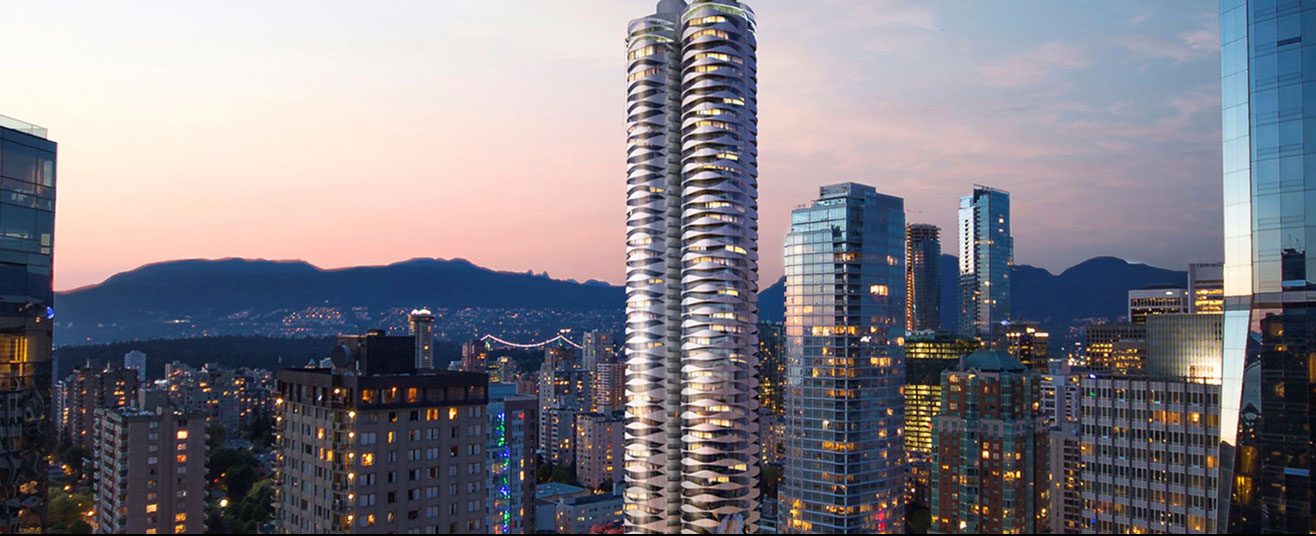
    A massive development rezoning, estimated worth over a billion dollars in market value. The luxury tower project being proposed by a well-connected and influential developer will reportedly deliver close to $90 million in public benefits spread out over several years.

    But the process by which those benefits are calculated and negotiated are not subject to public scrutiny. Staff reports indicate that the developer’s negotiated public benefit contributions are based on some questionably low valuations. Plus, existing city policy states that cash benefits on re-zonings are to be paid up front, not spread out over years.

    A group of West End residents reached out to me, concerned about the luxury tower proposed for Nelson off Burrard by a well-connected developer. The residents weren’t anti development per se, or even anti-tower — many of them actually lived in nearby towers themselves — but they were concerned about: the building’s massive size and bulk; parking and traffic; the apparent unwillingness of the developer to accommodate reasonable concerns around setbacks and livability; and questionable public benefits from a project pandering to luxury buyers.

    The issues of scale, views, and setbacks (the development rivals the Trump Tower at over 556 feet tall) are understandable and have been well articulated to the media. But it was the issue of public benefits that really struck me, the project is rumoured to be record-setting in the amount of benefits it will provide.

    Public benefits negotiated on spot rezonings are called Community Amenity Contributions (CACs for short). These CACs are density bonus contributions of amenities, infrastructure, or cash-in-lieu. CACs are considered voluntary, and they are negotiated based on developer profitability projections called a pro forma. The pro forma is closely guarded and the process is highly secretive, so the public have no idea if we are getting good value out of tradeoffs. It‘s an insider favouring opaque process that UBC urban design chair Patrick Condon referred to as the “soft corruption“. [1]

    What are we trading off in exchange for CACs?

    In the West End specifically, new luxury development and the zoning that accommodates it poses a direct threat to tens of thousands of renting Vancouverites.

    Luxury rezonings especially can have a ripple effect on neighbouring properties, through increased land value and an exploitive loophole known as “geographic rent increase” [2]; whereby landlords and developers can charge rents significantly higher than rent control laws allow, just by virtue of higher rents charged in neighbouring properties.

    In the case of the 57-floor luxury tower at Nelson and Burrard, the CAC benefits include heritage revitalization and preservation of the venerable First Baptist Church, expanded services, and a modest offering of below market rental housing.

    The CAC also includes over $60 million in cash payments to the city over several years, but per existing city policy CAC payments in-lieu (in cash) are payable prior to rezoning enactment – not after the fact stretched over years. [3]

    So is it a good deal for the city?

    Item 14 of the Urban Design section of the staff report [4] presented to council for this rezoning suggests that the building’s unique architectural design and resulting low efficiency floor layout (69%) reduces the potential sellable area. The building design includes large open air bridge and garden spaces between the two towers, which while technically reducing sellable floorspace still improves the premium value and profitability of the properties for sale.

    Are we leaving money on the table? Are we extracting public benefit from the opulent use of private empty space in this project? Why is this particular development getting a pass on item 1.3 of the City’s cash-up-front CAC policy?

    We won’t know the answers to these questions because the public don’t have access to the development pro formas, and staff are subjected to non-disclosure to protect developer interests. Furthermore, despite a motion by Green city councillor Adriane Carr earlier this year (still under review) staff are not afforded whistle-blower protection.

    The developer in this case is Westbank, an influential and well-connected corporation responsible for some of Vancouver’s more controversial and eyebrow raising extreme luxury developments.

    With sales offices in Hong Kong, Beijing, and Shanghai, [5] Westbank was recently called out for allegedly favouring overseas investors ahead of local families during presales for their development project Joyce [6].

    Last year, the provincial utilities watchdog overruled a city council move to grant Westbank CEO and founder Ian Gillespie a monopoly on heating [7] supply for all future condo developments on the land to be freed up by the viaducts removal.

    Gillespie is also a noted supporter and financial patron of the mayor and ruling Vision Vancouver party.

    Public Hearing on the project is tonight, July 25.

    [1] https://thetyee.ca/Opinion/2014/07/14/Vancouver-Stop-Zoning/
    [2] http://www.cbc.ca/news/canada/british-columbia/legal-precedent-west-end-…
    [3] http://vancouver.ca/files/cov/community-amenity-contributions-through-re…
    [4] http://council.vancouver.ca/20170718/documents/phea3-SummaryandRecommend…
    [5] http://westbankcorp.com/projects?international-sales
    [6] http://www.news1130.com/2017/06/06/developer-intend-give-overseas-buyers…
    [7] https://www.biv.com/article/2016/9/utilities-commission-nixes-creative-e…

  • Concord Pacific affordable artist studio clickbait

    Concord Pacific affordable artist studio clickbait

    Concord Pacific nets some positive press over a handful of affordable art studios, but the “inclusionary zoning” sleight-of-hand is mostly about clever marketing and is deserving of some deeper analysis beyond the clickbait.

    The story about the massive development corporation including 20 affordable artist live work studios in its Concord Gardens project sounds great –but on a closer critical review, it is quite literally the least they can do.

    In a nod to the light industrial spaces that were bulldozed to make way for the project, the 20 artist units were mandated by the CIty of Richmond as part of the official Richmond Arts Policy that would see the area superficially branded as an arts district.

    Those twenty arts units, along with fifty-six affordable residential units are part of a larger masterplan development that includes five towers, and over a million square feet of residential development comprising 1,201 units.[1]

    Billed by Concord as the “Largest World Class Community in Richmond”, the project was marketed extensively overseas, and prices out many local Richmonders. [2]

    The inclusionary zoning (a percentage of affordable or accessible housing included in a project) for this project is an underwhelming 6%. By comparison, Vancouver is supposed to mandate 20% inclusionary zoning on projects over 200 units (they often don’t, but that’s another story). In Montreal, it’s 30%.

    While I wouldn’t normally comment on Richmond development and politics, given that this story is making the rounds on social media in a positive and uncritical light, I feel it needs to be reframed.

    Concord is a massive developer in our region: not only they are significant donors to the mayor and Vision Vancouver, but they are the biggest land developer stakeholders in the viaducts removal scheme, and have big plans for the mixed-use industrial lands on the Burrard Slopes (Molson Brewery site at 2nd and Burrard).

    http://dailyhive.com/vancouver/concord-pacific-affordable-artist-rental-…

    [1] http://www.richmond.ca/__shared/assets/DP_15-70080043923.pdf
    [2] http://www.richmond-news.com/news/weekly-feature/feature-when-the-jonese…

  • Mayor a day late and a dollar short on issue of pre-sales

    Mayor a day late and a dollar short on issue of pre-sales

    Summer 2017, and the mayor is only now hearing concerns about overseas pre-sales & insider trading of #VanRE condos?

    We (Vancouver Greens) called out this issue in 2014, the BC Greens called for taxing pre-sales in the BC Election earlier this year, VanRE pundits have been flagging this issue for YEARS.. and all the while, former BC Housing board executive, patron of Vision and BCLiberal parties, holder of $25,000/plate luncheons for the mayor and condo king Bob Rennie has built an empire off the business of pre-sales.

    This, despite the mayor’s council support for re-zonings targeting overseas pre-sales as recently as last week (Westbank) and historic unwillingness to mandate re-zoning covenants that might limit this sort of egregious speculation.

    Amidst a full blown housing crisis, that the mayor only now recognizes there might be some sort of problem with pre-sales worthy of seeking provincial regulation says either incompetence or indifference.

    Postscript: 

    I’m just going to leave this here.
    * note date, November 2016. Authored by a journalist known to be well respected and well read by the mayor’s office, quoting significant patrons of the mayor’s Vision Vancouver party.
    https://www.theglobeandmail.com/news/british-columbia/vancouver-presale-…

  • How and for who does the city define public benefits?

    How and for who does the city define public benefits?

    A massive development rezoning, estimated worth over a billion dollars in market value. The luxury tower project being proposed by a well-connected and influential developer will reportedly deliver close to $90 million in public benefits spread out over several years.

    But the process by which those benefits are calculated and negotiated are not subject to public scrutiny. Staff reports indicate that the developer’s negotiated public benefit contributions are based on some questionably low valuations. Plus, existing city policy states that cash benefits on re-zonings are to be paid up front, not spread out over years.

    A group of West End residents reached out to me, concerned about the luxury tower proposed for Nelson off Burrard by a well-connected developer. The residents weren’t anti development per se, or even anti-tower — many of them actually lived in nearby towers themselves — but they were concerned about: the building’s massive size and bulk; parking and traffic; the apparent unwillingness of the developer to accommodate reasonable concerns around setbacks and livability; and questionable public benefits from a project pandering to luxury buyers.

    The issues of scale, views, and setbacks (the development rivals the Trump Tower at over 556 feet tall) are understandable and have been well articulated to the media. But it was the issue of public benefits that really struck me, the project is rumoured to be record-setting in the amount of benefits it will provide.

    Public benefits negotiated on spot rezonings are called Community Amenity Contributions (CACs for short). These CACs are density bonus contributions of amenities, infrastructure, or cash-in-lieu. CACs are considered voluntary, and they are negotiated based on developer profitability projections called a pro forma. The pro forma is closely guarded and the process is highly secretive, so the public have no idea if we are getting good value out of tradeoffs. It‘s an insider favouring opaque process that UBC urban design chair Patrick Condon referred to as the “soft corruption“. [1]

    What are we trading off in exchange for CACs?

    In the West End specifically, new luxury development and the zoning that accommodates it poses a direct threat to tens of thousands of renting Vancouverites.

    Luxury rezonings especially can have a ripple effect on neighbouring properties, through increased land value and an exploitive loophole known as “geographic rent increase” [2]; whereby landlords and developers can charge rents significantly higher than rent control laws allow, just by virtue of higher rents charged in neighbouring properties.

    In the case of the 57-floor luxury tower at Nelson and Burrard, the CAC benefits include heritage revitalization and preservation of the venerable First Baptist Church, expanded services, and a modest offering of below market rental housing.

    The CAC also includes over $60 million in cash payments to the city over several years, but per existing city policy CAC payments in-lieu (in cash) are payable prior to rezoning enactment – not after the fact stretched over years. [3]

    So is it a good deal for the city?

    Item 14 of the Urban Design section of the staff report [4] presented to council for this rezoning suggests that the building’s unique architectural design and resulting low efficiency floor layout (69%) reduces the potential sellable area. The building design includes large open air bridge and garden spaces between the two towers, which while technically reducing sellable floorspace still improves the premium value and profitability of the properties for sale.

    Are we leaving money on the table? Are we extracting public benefit from the opulent use of private empty space in this project? Why is this particular development getting a pass on item 1.3 of the City’s cash-up-front CAC policy?

    We won’t know the answers to these questions because the public don’t have access to the development pro formas, and staff are subjected to non-disclosure to protect developer interests. Furthermore, despite a motion by Green city councillor Adriane Carr earlier this year (still under review) staff are not afforded whistle-blower protection.

    The developer in this case is Westbank, an influential and well-connected corporation responsible for some of Vancouver’s more controversial and eyebrow raising extreme luxury developments.

    With sales offices in Hong Kong, Beijing, and Shanghai, [5] Westbank was recently called out for allegedly favouring overseas investors ahead of local families during presales for their development project Joyce [6].

    Last year, the provincial utilities watchdog overruled a city council move to grant Westbank CEO and founder Ian Gillespie a monopoly on heating [7] supply for all future condo developments on the land to be freed up by the viaducts removal.

    Gillespie is also a noted supporter and financial patron of the mayor and ruling Vision Vancouver party.

    Public Hearing on the project is tonight, July 25.

    [1] https://thetyee.ca/Opinion/2014/07/14/Vancouver-Stop-Zoning/

    [2] http://www.cbc.ca/news/canada/british-columbia/legal-precedent-west-end-renters-1.4022930

    [3] http://vancouver.ca/files/cov/community-amenity-contributions-through-rezonings.pdf

    [4] http://council.vancouver.ca/20170718/documents/phea3-SummaryandRecommendation.pdf

    [5] http://westbankcorp.com/projects?international-sales

    [6] http://www.news1130.com/2017/06/06/developer-intend-give-overseas-buyers-first-shot-vancouver-project/

    [7] https://www.biv.com/article/2016/9/utilities-commission-nixes-creative-energy-plan-ag/